
When hiring remote employees in other countries, there are quite a few things you have to take care of and the process can get pretty complicated.
To help you navigate this process, we’ve created an easy-to-follow, step-by-step guide for hiring foreign employees. We’ve also added a list of do’s and don’ts you can easily implement for a smooth hiring and onboarding process.
Let’s begin.
How To Hire Talented & Credible Remote Foreign Employees
As you go through the steps to hire remote foreign employees, take note of relatable examples and consider how you can apply these steps to your business:

Step 1: Figure Out What You Need
Start by identifying roles within your organization that can be performed remotely. Businesses commonly outsource software developers, graphic designers, content writers, customer service representatives, and digital marketers.
Next, list the specific skills and experience required for each job. For instance:
- Software Developer: Programming languages, development frameworks, problem-solving, version control, clean coding.
- Graphic Designer: Design software, design principles, creativity, attention to detail, visual content creation.
- Content Writer: Writing and editing, research, SEO, audience targeting, grammar and style.
- Customer Service: Communication, empathy, problem-solving, stress management, customer service tools.
- Digital Marketer: Digital marketing strategies, social media, content creation, data analysis, marketing trends.
Finally, consider how remote work will impact your team’s workflow. For instance, there can be misunderstandings and delays because of reliance on digital communication. So you have assess whether the current communication tools and project management systems can support a dispersed team effectively.
Step 2: Look For Talent In The Right Places
Look for countries with a strong talent pool that aligns with your needs. Here are common examples of countries and their expertise:
- Philippines: Customer service, virtual assistance, BPO (Business Process Outsourcing).
- India: IT services, software development, customer support.
- Ukraine: Software development, IT outsourcing.
- Brazil: Expertise: Software development, customer support.
- Mexico: IT services, software development, customer support.
- Canada: Software development, digital marketing, engineering.
If you don’t know where to start outsourcing experts from these countries, there are staffing agencies that can help you find foreign employees. Agencies like Genius use on-the-ground sourcing with their network in the Philippines and Latin America. Other agencies, like PeoplePerHour and Guru, use purely online sourcing.
Evaluate the economic and political stability of these countries to ensure a reliable and uninterrupted working relationship. If you hire from a country with frequent political unrest and economic instability, there could be disruptions in communication, unreliable internet access, or sudden changes in availability. It’s something to keep in mind when making your hiring decisions.
Additionally, take into account time zones to make sure you and your team have overlapping working hours. Use scheduling tools to find common working times. For clear communication, provide language training if needed and use communication tools like:
- Microsoft Teams: Real-time translation for chat messages, integration with other Microsoft Office applications
- Slack: Integration with translation apps like Google Translate, create channels for specific languages or regions
- Zoom: Live transcription in multiple languages, simultaneous interpretation during meetings
- Google Meet: Live captions in multiple languages, can be used alongside Google Translate
Finally, to help the team work well together, organize team-building activities, encourage open communication about cultural differences, and create an inclusive environment where all team members feel respected and valued.
Step 3: Pick The Most Effective Hiring Websites
To find the best candidates, use a combination of global job boards, remote work sites, and specialized platforms.
Global job boards like Jooble and JobisJob can help you reach a broad audience, while you can use remote work sites like Genius and BELAY to find candidates specifically looking for remote opportunities. Specialized platforms – like Hays Engineering for engineers or Robert Half for finance roles – can help you find highly skilled professionals in specific fields.
Here’s a quick comparison table to understand these platform types better:
| Platform Type | Examples | Strengths |
| Global Job Boards | Jooble, JobisJob | Broad audience, diverse candidate pool |
| Remote Work Sites | Genius, BELAY | Tailored for remote job seekers, niche audience |
| Specialized Platforms | Hays Engineering, Robert Half | Highly skilled professionals, specific fields |
Additionally, share your job postings on social media and professional networks to reach more candidates globally. Posting on LinkedIn can help you with your professional connections, while sharing on Twitter or Facebook can reach a wider international audience.
To reach more people, run paid ads on social media platforms. This way, a bigger and more specific audience will see your job postings.
Step 4: Write Clear & Detailed Job Descriptions
Make sure your job descriptions are clear and specific to attract the right candidates.
First, clearly state the main responsibilities.
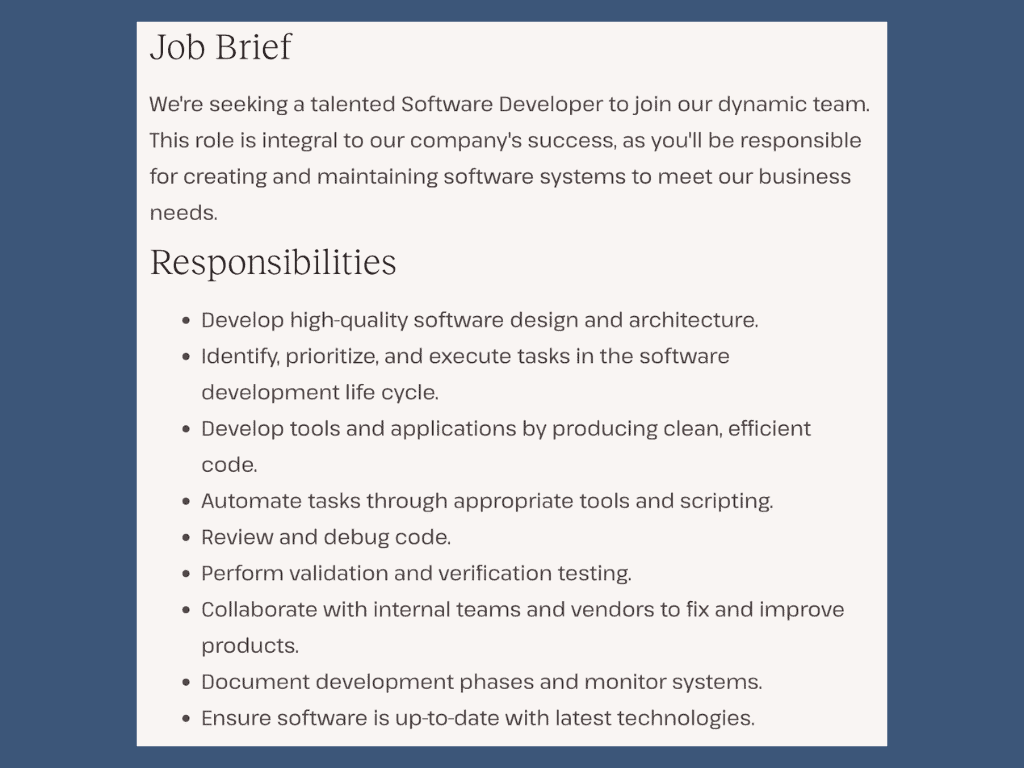
In the image above, the main responsibilities are clearly stated like software design, coding, debugging, testing, collaboration, documentation, and staying updated with technology. After reading this, the job seeker can assess their skills and know if they can perform these tasks.
Next, highlight the required skills and the necessary qualifications.

The image above specifies the need for a Bachelor’s degree, proven experience in similar roles, and familiarity with Agile methodologies. The technical skills highlighted are knowledge of various coding languages, frameworks, and databases. This list helps potential candidates to assess their fit for the role effectively.
Lastly, describe your company culture to give potential hires a sense of what it’s like to work with your team. You can highlight the benefits of remote work, like flexible hours, the ability to work from anywhere, and a healthy work-life balance, as shown in the image below.
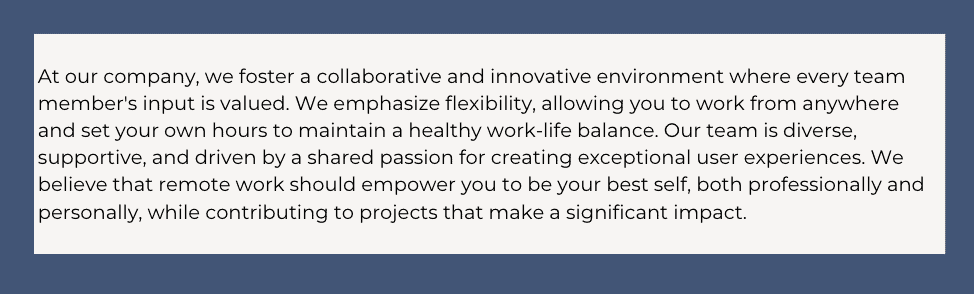
This detailed approach will help you attract candidates who are well-suited for the role and aligned with your company’s values. To make things easier for you, use Genius’s creative and results-oriented job descriptions for different roles and positions.
Step 5: Sort Through Applications, Test Skills, & Do Initial Interviews
Shortlist candidates who meet the qualifications outlined in your job description. You can:
- Check their previous roles and responsibilities to see if they align with the job requirements.
- Verify proficiency in technical skills and tools with an online test.
- Evaluate their communication skills with an initial call.
Staffing agencies can shortlist candidates for you. By working with agencies like Genius, you can skip this step, as we handle the initial screening for you.
Next, set up video interviews with the shortlisted candidates. Prepare questions to assess both their technical skills and cultural fit.
Here are a few questions to get you started:
- Can you describe a challenging project you worked on and how you overcame obstacles?
- How do you prioritize your tasks and manage your time when working remotely?
- How do you handle feedback and collaboration in a remote team?
- Can you share an example of how you adapted to a new work culture or environment?
- How do you stay productive and motivated when working from home?
When preparing for interviews, add questions that assess technical skills, soft skills, and cultural fit. This ensures candidates have the expertise and alignment with your company’s goals and values for success. Finding the right questions for all 3 aspects can be challenging. However, this Genius’ blog offers valuable resources and expert guidance to help streamline the process.
Step 6: Check References & Make an Offer
Contact references to verify the candidate’s past work experience. Here is a step-by-step way to do this:
- Ask the candidate for permission to contact their references and get their contact details.
- Arrange a convenient time to call or meet the references.
- Confirm the candidate’s job title, dates of employment, and responsibilities with the reference.
- Ask about the candidate’s technical skills, soft skills, and ability to work in a team.
- Inquire about the candidate’s reliability, punctuality, and overall work ethic.
- Request specific examples of the candidate’s strengths and areas for improvement.
- Take detailed notes during the conversation to record the reference’s feedback.
Next, confirm their educational and professional credentials to ensure they meet the qualifications like a degree or relevant experience. Ask the candidate to provide copies of their degree certificates, transcripts, and any relevant professional certifications. Then, contact the educational institutions and professional organizations directly to confirm the authenticity of the provided documents.
Once these checks are complete, extend a formal job offer with the following elements to clearly outline the terms of employment:
- Job title and responsibilities
- Start date
- Work hours
- Compensation package
- Benefits
- Employment terms
- Conditions of employment
For financial compensation, we have a separate section where we dive deeper into salary, taxes, and other financial considerations.
Step 7: Onboard
Once you’ve made the offer and it’s accepted, it’s time to get the employee started. Introduce them to the team and provide an overview of the company’s culture and values. You should also brief them on their role, expectations, procedures, and any training. This ensures they are well-prepared and integrated smoothly into the organization.
Additionally, equip them with the tools like:
- For effective communication: Slack for daily messaging and Zoom for video meetings.
- For project management: Trello and Asana
Do’s & Don’ts When Hiring Remote Foreign Talents
To ensure you hire a foreign employee correctly the first time, understand the best practices and common pitfalls:

Do’s When Hiring Remote Foreign Talents
- Research Local Employment Laws: Ensure compliance with the employment regulations of the country where you are hiring.
- Verify Credentials: Thoroughly check the candidate’s qualifications, work history, and references.
- Use Reliable Payroll Services: Use international payroll services to handle taxes and payments.
- Provide Cultural Awareness Training: Educate your team on cultural differences to work well together.
- Set Clear Expectations: Clearly define job responsibilities, working hours, and performance metrics.
- Ensure Secure Communication: Use secure communication tools to protect sensitive information.
- Offer Competitive Compensation: Research and offer salaries that are competitive in the employee’s home country.
- Facilitate Onboarding: Develop a comprehensive onboarding program to help new hires integrate smoothly.
- Support Professional Development: Provide opportunities for ongoing training and career growth.
- Regularly Communicate: Maintain consistent and open communication to keep remote employees engaged and informed.
Don’ts When Hiring Remote Foreign Talents
- Neglect Legal Compliance: Avoid ignoring local labor laws and tax regulations. This can cause legal issues.
- Overlook Time Zones: Do not disregard time zone differences when scheduling meetings and setting deadlines.
- Ignore Cultural Differences: Failing to recognize and respect cultural differences can cause misunderstandings.
- Skimp on Equipment: Don’t expect remote employees to use their own equipment without support or reimbursement.
- Underestimate Language Barriers: Do not assume all communication will be seamless without considering language proficiency.
- Ignore Benefits: Don’t overlook the importance of providing benefits that are standard in the employee’s country.
- Lack of Clear Communication: Avoid vague job descriptions and unclear expectations.
- Forget Regular Check-ins: Don’t neglect regular check-ins and feedback sessions.
- Ignore Security Protocols: Don’t overlook the importance of data security and privacy measures.
- Disregard Team Integration: Never leave remote employees out of team-building activities and company culture initiatives.
Payment Options When Hiring Remote Employees From Other Countries
When hiring a foreign employee, payments will be sent internationally, so explore your options to determine what works best for you:
1. Managing Payroll
For full-time employees, you can manage the salaries through these channels:
1.1. Choose a Reliable Payroll Service
Use services like Deel, Remote, or Papaya Global that specialize in international payroll management. Make sure the service can handle multi-currency transactions and complies with local labor laws.
1.2. Set Up Direct Deposits
You can establish direct deposit arrangements to ensure timely payments. Consider using TransferWise (Wise) for lower transaction fees on international payments.
2. Setting Competitive Salaries
To ensure you set a competitive salary for your full-time employees, follow these practices:
2.1. Research Market Rates
Use salary comparison tools like Payscale or Glassdoor to understand the going rates in the employee’s country. Adjust salaries based on cost of living differences and industry standards.
2.2. Include Local Benefits
Offer benefits that are customary and valued in the employee’s region like healthcare, paid time off, or retirement contributions. Provide stipends for remote work essentials like high-speed internet and home office equipment.
3. Handling International Payments
For temporary staffing or project-based employees, you can:
3.1. Use International Payment Platforms
Platforms like Payoneer and TransferWise (Wise) offer competitive exchange rates and lower fees for international transactions. Make sure the platform you choose supports the currency and country of your employee.
3.2. Automate Payments
Set up automated payment schedules to avoid delays and ensure consistency. Use payroll services that integrate with your accounting software for seamless financial management.
4. Legal & Tax Compliance
Here’s what you need to do to stay compliant.
4.1. Understand Local Employment Laws
Research the labor laws in the employee’s country to ensure compliance with employment contracts, working hours, and termination procedures. Consult with a legal expert or hire a local legal advisor to handle complex regulations.
4.2. Ensure Tax Compliance
Determine if you need to withhold taxes on behalf of your remote employees. Use global payroll services that manage tax deductions and filings in multiple jurisdictions.
4.3. Register Your Business

In some countries, you need to register your business or establish a local entity to hire employees legally. Consider using an Employer of Record (EOR) service to simplify compliance and avoid the need for setting up a local entity.
Challenges Of Hiring Remote Employees Internationally & Solutions To Overcome Them
Here are the common challenges and their practical solutions that will prepare you for what’s ahead when hiring a foreign employee.
I. Time Zone Differences
Coordinating work across different time zones can cause scheduling conflicts and reduced real-time collaboration.
Solution: Implement flexible working hours and use scheduling tools like World Time Buddy to find overlapping work hours. Regularly communicate expectations about availability and deadlines.
II. Cultural Differences
Cultural misunderstandings can negatively affect communication and team dynamics.
Solution: Provide cultural awareness training and encourage open discussions about cultural differences. Promote an inclusive work environment where diversity is valued.
III. Communication Barriers
Language differences and lack of face-to-face interaction can cause miscommunications and reduce productivity.
Solution: Use clear and simple language in all communications and use tools like Slack, Zoom, and Google Translate. Regular video meetings can also help build rapport and clarify misunderstandings.
IV. Legal & Compliance Issues
Navigating different employment laws and tax regulations can be complex and time-consuming.
Solution: Work with international payroll and legal services like Deel or Remote to ensure compliance. Consult with local legal experts to understand specific requirements.
V. Managing Performance
Monitoring and managing the performance of remote employees can be challenging without direct supervision.
Solution: Set clear performance metrics and goals. Use project management tools like Asana or Trello to track progress and provide regular feedback.
10 Factors To Consider When Hiring Remote Employees
Consider these factors when hiring remote employees to be fully prepared:
A. What Are the Legal and Compliance Requirements?
When hiring remote employees, understand the legal and compliance requirements in their country. If you are unfamiliar with these regulations, consult with local legal experts or use international payroll services like Deel to ensure compliance with local labor laws and tax obligations.
B. Will They Be A Good Cultural Fit?
If your team values open communication and collaboration, look for candidates who share these values and demonstrate cultural awareness. Encourage open discussions about cultural differences to promote an inclusive work environment.
C. How Do Time Zone Differences Impact Workflow?
Time zone differences can affect collaboration and productivity. If your project requires real-time communication, prioritize candidates in similar or overlapping time zones. For teams spread across various time zones, implement flexible working hours and use scheduling tools to find common meeting times.
D. Is Their Language Proficiency Adequate?
Assess the candidate’s language skills during the interview process to maintain effective communication within the team. Use tools like Google Translate for initial communication barriers and consider language training if necessary.
E. Do They Have the Necessary Technical Skills and Qualifications?
Make sure the candidate has the required technical skills and qualifications for the role. If the job demands specific expertise like proficiency in certain programming languages, verify their skills through practical tests or technical interviews.
F. Are Their Communication Skills Strong?
If your team relies heavily on written communication, assess if the candidate can convey ideas clearly and concisely. Conduct video interviews to evaluate their verbal communication skills.
G. Do They Have Previous Remote Work Experience?
Previous remote work experience shows that the candidate can manage time and work independently. If this is important for your role, prioritize candidates who have been successful in remote positions and ask about their remote work strategies during the interview.
H. Are Their Availability & Work Hours Suitable?
Determine if the candidate’s availability aligns with your team’s needs. If you require availability during specific hours, make sure the candidate can meet these requirements. For flexible schedules, discuss expectations about response times and deadlines.
I. Do They Have the Necessary Technology & Equipment?
Make sure the candidate has access to reliable technology and equipment necessary for the job. If your work requires specific tools or software, confirm that the candidate has or can acquire them. Consider providing a stipend for home office setup if needed.
J. How Do They Handle Security and Data Privacy?
If your work involves sensitive information, evaluate the candidate’s understanding of data protection practices. Provide training on your company’s security protocols and ensure they have secure tools for communication and data storage.
How To Smoothly Onboard Remote Foreign Employees
Once you find the right candidate, you can effectively onboard foreign employees using the following tools and practices:
Tools & Platforms
i. Deel

Deel manages international payroll, compliance, and benefits, ensuring legal and tax requirements are met. Request a demo to learn more about their services that they can tailor to your needs.
ii. Remote
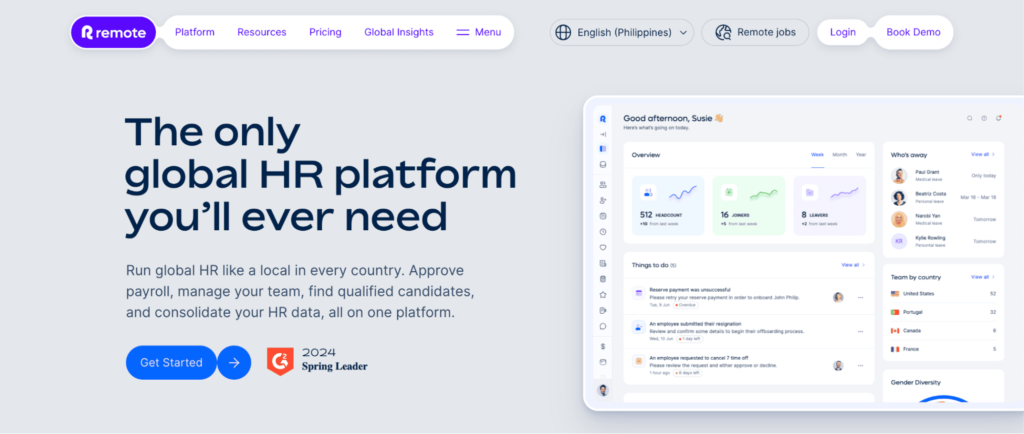
Remote provides a comprehensive solution for hiring, onboarding, and managing remote employees globally. Book a demo to try out their services.
iii. Slack

Slack facilitates real-time communication and collaboration through channels and direct messaging. Sign up to create an account and set up your team’s channel.
iv. Zoom
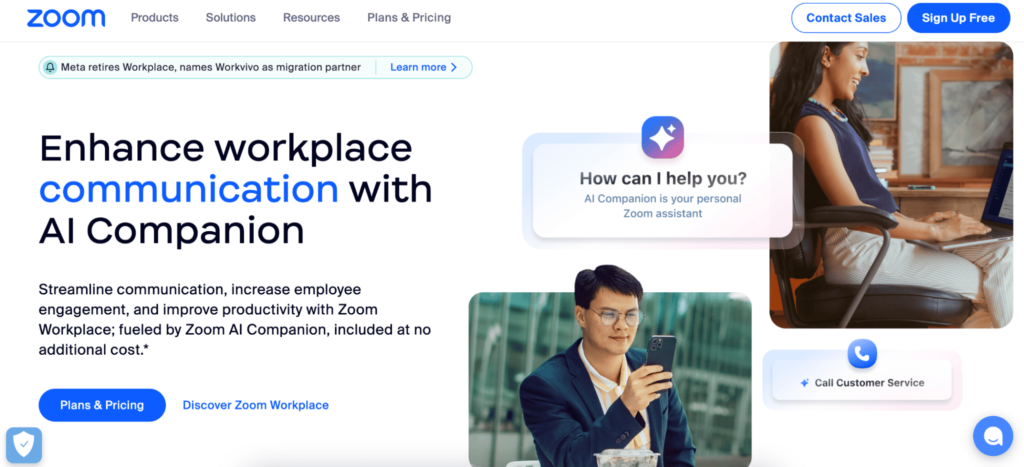
Zoom enables video conferencing for team meetings, training sessions, and one-on-one check-ins. Sign up to get started.
v. Asana
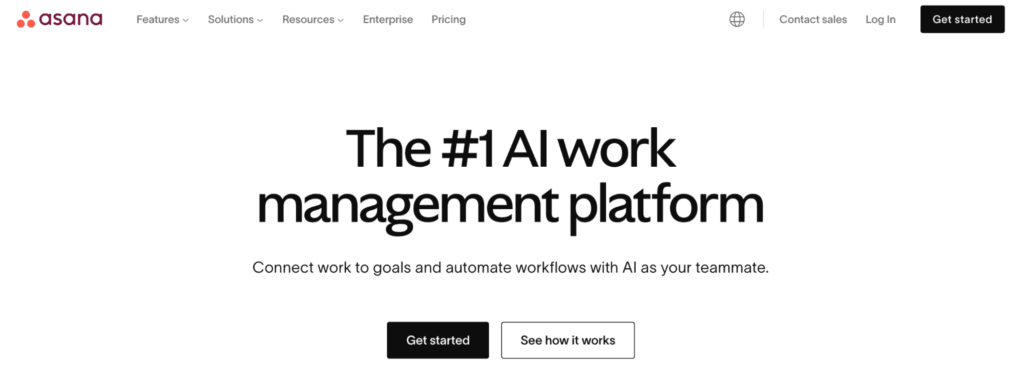
Asana offers project management features to track tasks, deadlines, and team progress. Create an account to get started.
vi. Trello
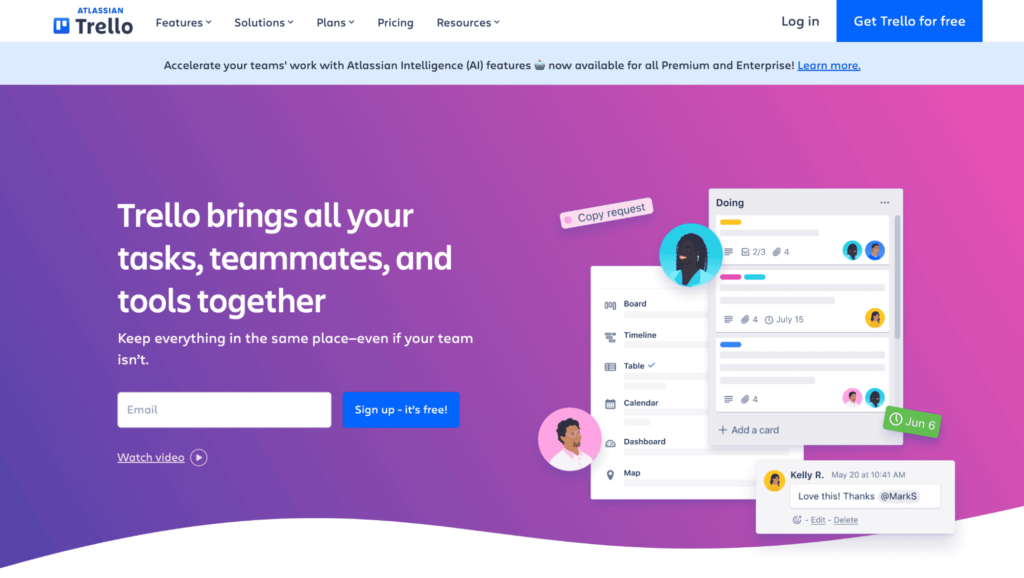
Trello uses boards, lists, and cards to organize tasks and projects visually, making it easy to manage workflows. Sign up and start organizing your projects.
vii. Google Workspace

Google Workspace provides tools like Gmail, Google Drive, Docs, and Sheets for seamless document sharing and collaboration. Start a free trial of their services to know if it works for your team.
viii. Microsoft 365
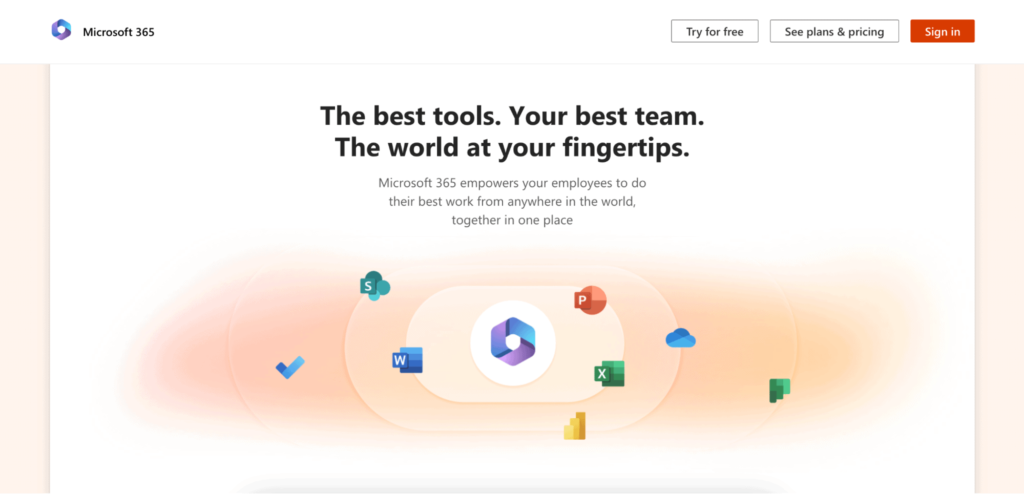
Microsoft 365 includes Outlook, Teams, OneDrive, and Office applications to support communication and productivity. Sign up to get a free version of their apps.
ix. BambooHR
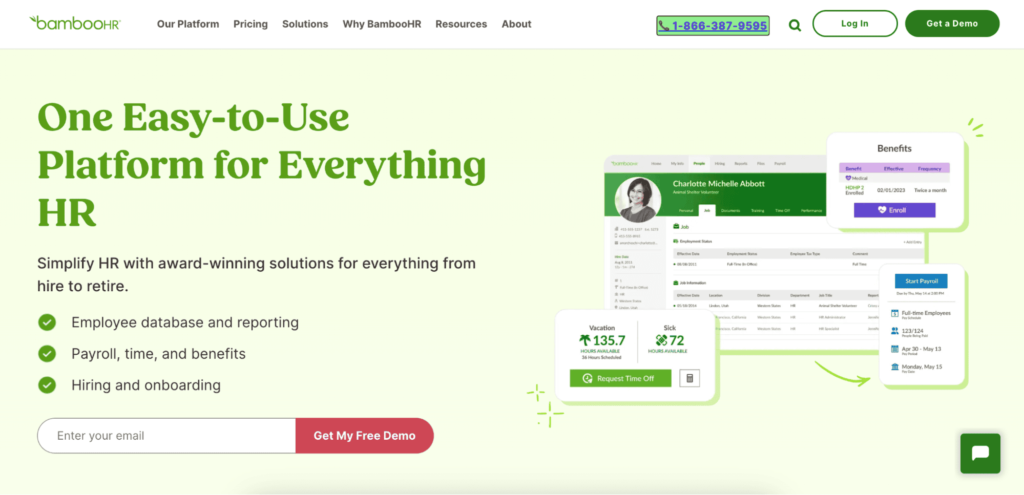
BambooHR simplifies HR processes, including onboarding, employee records, and performance management. Share your email and get a free demo.
x. GitHub

Github is essential for software development teams, offering version control and collaborative coding features. Sign up and start a free trial.
How To Manage Cultural Differences
- Provide cultural awareness training to educate team members about diverse communication styles, holidays, and work customs.
- Encourage open communication and respect for different perspectives.
- Set clear expectations about work hours and availability, considering each team member’s local time zone.
- Weekly virtual team-building activities can also help bridge cultural gaps and build a sense of unity.
Conclusion
Hiring remote employees in other countries is not an easy process, as there are numerous considerations like international laws and taxes. For best results, you should be prepared to research the country you plan to hire from to ensure compliance and smooth operations.
To streamline your sourcing and hiring process, consider partnering with Genius. We provide access to global talent that is rigorously vetted to meet high work standards. You can hire full-time remote employees for 80% less than what you would pay on other platforms. Fill out this form now to get started
FAQs
1. Does a remote worker pay US taxes?
Generally, remote workers are responsible for paying taxes in their home country. However, if they are US citizens or residents, they may also need to report and pay US taxes. Consulting a tax professional is advisable to ensure compliance with both US and international tax laws.
2. Do I need to pay remote worker’s taxes in their home country?
Yes, you need to be aware of the tax obligations in the remote worker’s home country. This may include withholding taxes or ensuring compliance with local tax regulations. Using an international payroll service can help manage these complexities.
3. Do I need to provide remote workers with benefits like health insurance?
Providing benefits like health insurance depends on local laws and your company’s policies. In some countries, you are legally required to provide certain benefits. It’s important to understand and comply with these regulations, possibly with the help of an international employment service.
4. Will I pay for a remote worker’s equipment?
Paying for remote workers’ equipment, like computers and internet access, can help ensure they have the necessary tools to perform their job effectively. Offering a stipend or directly providing the required equipment can improve productivity and job satisfaction.